
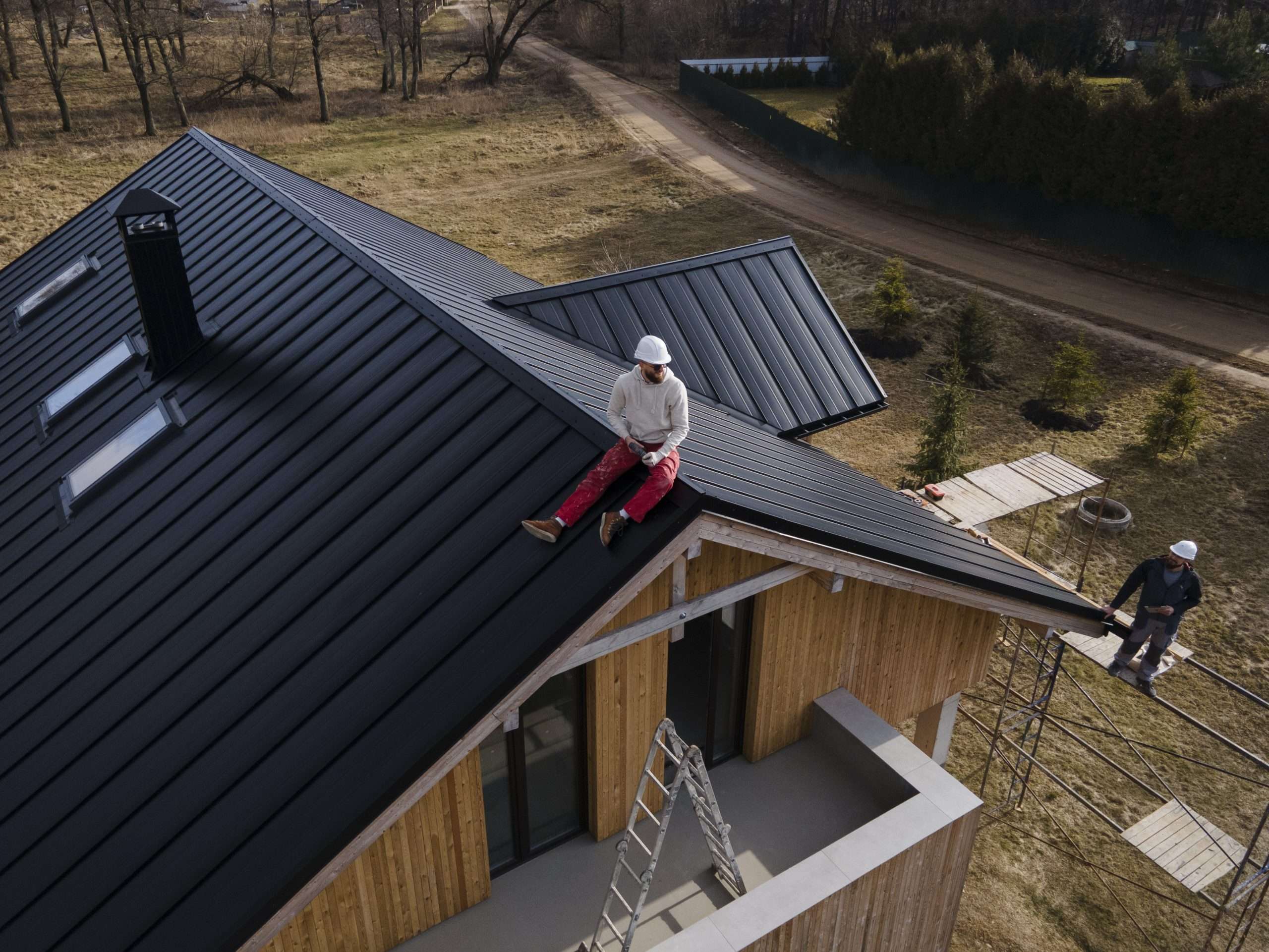
Chimneys are vital components of residential structures, allowing for the safe expulsion of smoke and gases generated by heating systems. However, if not properly maintained, chimneys can also become a significant source of water damage. Homeowners in Westchester, NY, are particularly vulnerable to chimney leaks due to a combination of local climatic conditions and architectural practices. The region experiences harsh winters, frequent rainfall, and occasional storms, all of which can exacerbate the wear and tear on chimney structures. Understanding the common causes of chimney leaks, such as ice damming and heavy precipitation, is essential for homeowners looking to protect their properties. Additionally, structural issues like deteriorating mortar, cracked bricks, and faulty flashing can contribute to these leaks, creating an urgent need for timely repairs. Homeowners should be vigilant for signs of a leaking chimney, such as water stains on walls or ceilings, a musty odor, or rust on metal components. These indicators often signal underlying problems that, if left unaddressed, can lead to extensive water damage and costly repairs. This article explores the causes of chimney leaks in Westchester, NY, highlighting the interplay between environmental factors and structural integrity, while providing homeowners with expert recommendations for effective leak repair and prevention strategies to safeguard their homes against water damage.
Causes of Chimney Leaks in Westchester, NY
What are the common weather-related causes of chimney leaks in Westchester?
One common weather-related cause of chimney leaks in Westchester is the region’s dense, hilly woodlands, which contribute to the accumulation of debris on rooftops and in gutters, leading to water pooling and subsequent leakage into chimneys. Additionally, above-ground power lines, while cost-effective, are prone to disruptions from severe weather, such as storms and heavy winds, which can damage the structural integrity of chimneys and exacerbate leak issues. The unique topography and vegetation of Westchester play a significant role in trapping moisture and creating conditions that can accelerate the deterioration of chimney masonry. This interaction between natural elements and human infrastructure highlights the need for regular maintenance and strategic planning to mitigate weather-related damage. Addressing these vulnerabilities through proactive inspections and the implementation of protective measures can significantly reduce the incidence of chimney leaks and preserve the longevity of residential structures.
How do structural issues contribute to chimney leaks?
Structural issues significantly contribute to chimney leaks, primarily due to the materials and construction methods used. For example, chimneys made of brick, stone, or concrete are common, but their long-term performance can be compromised by various factors. One of the primary concerns is the interaction of exhaust gases with cooled structures, which can lead to condensation and subsequent leaks. Additionally, the structural integrity of the chimney can be affected by the thickness and weight of the materials. Thinner, lighter construction materials might not require extra support but could be more susceptible to damage and leaks. Moreover, environmental factors such as weather conditions and natural wear and tear over time can exacerbate these structural vulnerabilities, leading to an increased risk of leaks and other related issues. Therefore, it is crucial to address these structural issues through regular maintenance and timely repairs to ensure the longevity and functionality of chimneys.
What are the signs of a leaking chimney homeowners should look for?
Homeowners should be vigilant for several signs that may indicate a leaking chimney, as early detection and repair can prevent more significant damage. One of the primary indicators is the presence of water stains on the walls or ceiling near the chimney. This can often be mistaken for roof leaks, but it could also be due to water ingress through the chimney itself, emphasizing the importance of differentiating between the two. Another critical sign is the appearance of efflorescence, a white, chalky substance on the brickwork. This occurs when water permeates the masonry, dissolving salts, which then crystallize on the surface as the water evaporates. Additionally, homeowners should check for spalling bricks, where the brick faces are flaking or crumbling, a clear indication that water is causing the masonry to deteriorate. The presence of rust on the damper or firebox also signals moisture issues, as these components should remain dry under normal conditions. Lastly, a musty odor emanating from the fireplace or chimney area could suggest mold growth due to persistent moisture, which can pose health risks if not addressed promptly. By recognizing these signs, homeowners can take immediate action to repair leaks, thereby preserving the structural integrity of their chimneys and avoiding costly repairs in the future.
In examining the causes and implications of chimney leaks in Westchester, NY, it is clear that the region’s unique environmental characteristics and the structural integrity of residential chimneys are critically interlinked. The dense woodlands and hilly terrain contribute significantly to debris accumulation, leading to water pooling and exacerbating leakage into chimneys. The structural vulnerabilities identified—ranging from the use of lighter materials that lack adequate support to the deterioration of masonry due to prolonged exposure to moisture—raise important considerations for building practices in such regions. Moreover, above-ground power lines, while cost-effective, can introduce additional risks during severe weather events. This highlights a need for a more comprehensive approach to infrastructure planning that considers both immediate cost-saving benefits and the long-term implications for property maintenance and safety. The presence of rust within critical components of the chimney system serves as a clear indicator of moisture intrusion, suggesting that homeowners must be vigilant in monitoring these signs to prevent costly repairs. Future research should focus on developing standardized guidelines for chimney maintenance in regions prone to similar weather-related issues and exploring the effectiveness of various protective measures against environmental stressors. By addressing these concerns, we can improve our knowledge of building resilience in the face of climate variability and enhance the overall safety and longevity of residential structures in Westchester and similar regions.
