
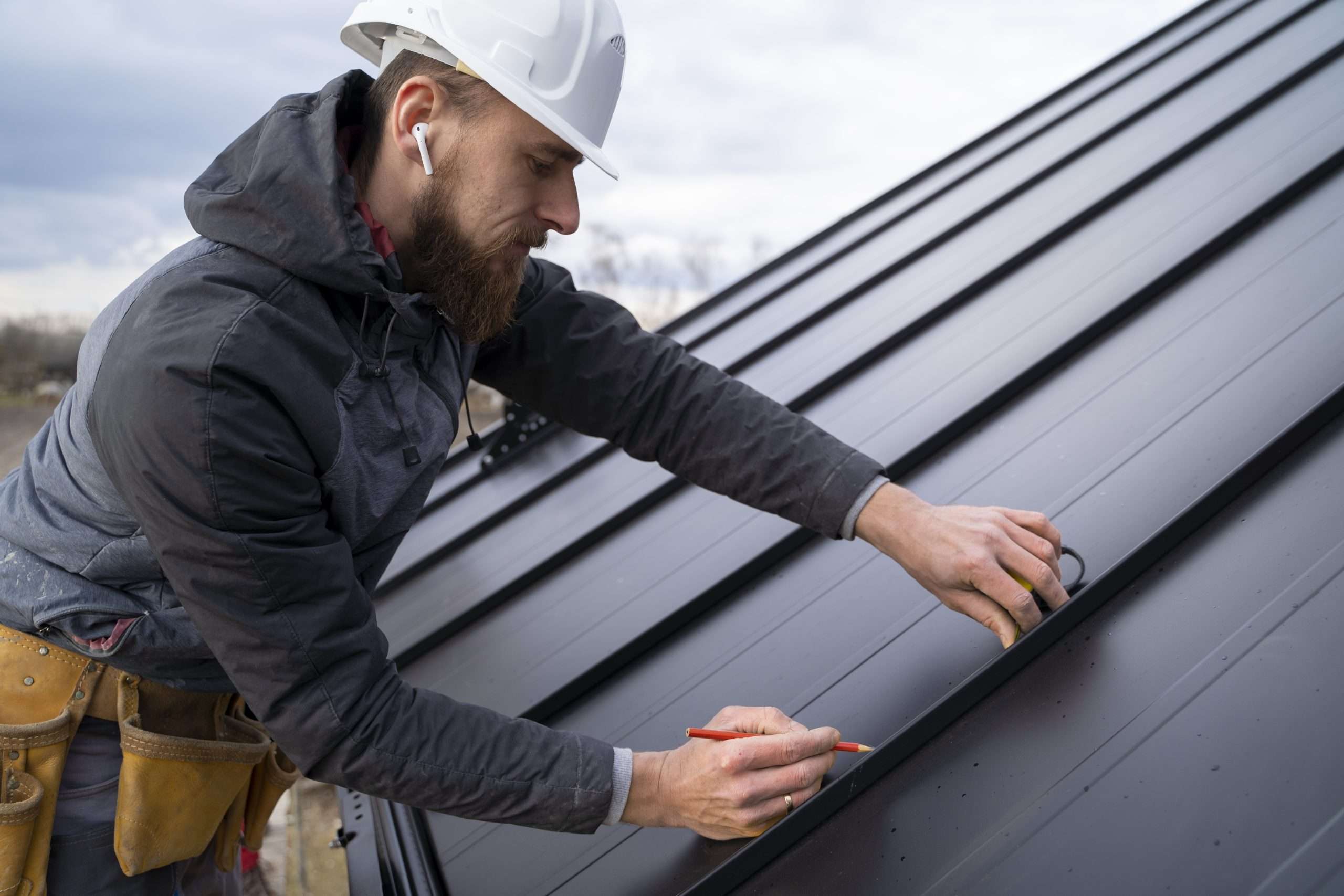
Skylights have long been a popular architectural feature in many homes, especially in areas like Westchester, NY, where natural light is highly valued for enhancing living spaces. However, homeowners may consider removing skylights for various reasons, such as structural damage, leaks, aesthetic changes, or energy efficiency improvements. Understanding the process of skylight removal is crucial for ensuring a safe and effective transition. This article aims to detail the initial steps involved in the skylight removal process, including assessing the condition of the skylight, determining the appropriate method of removal, and preparing the surrounding area to prevent damage to the roof or interior. Additionally, it will outline the necessary tools and materials required for the task, such as safety gear, cutting tools, and sealing materials, to facilitate a smooth operation. The typical duration of the skylight removal process is also a key consideration, as it can vary based on the complexity of the installation and the skill level of the individual or team carrying out the work. By examining these aspects, this article will equip homeowners with the knowledge needed to prepare effectively for skylight removal, ensuring they can anticipate challenges and make informed decisions throughout the process.
Process of Skylight Removal
What are the initial steps involved in removing skylights?
The first steps in removing skylights involve conducting a thorough risk assessment to identify potential hazards and risks associated with the procedure. This step is crucial as it prioritizes safety and helps mitigate dangers through a hierarchical approach that starts with eliminating identified risks. If elimination is not feasible, the next steps involve implementing engineering controls, followed by administrative controls, and finally, using personal protective equipment. Once safety measures are in place, the removal process can begin. This involves carefully detaching the skylight from its frame, ensuring that the surrounding roofing material is not compromised. Since a section of the roof is removed during the installation of a skylight, special attention must be paid to the roof’s structural integrity when the skylight is taken out. This step is essential for maintaining the building’s heat load balance and ensuring the roof’s stability. Proper planning and execution of these initial steps are vital for a smooth and safe skylight removal process, minimizing the risk of accidents and ensuring the building’s structural safety.
What tools and materials are required for the removal process?
The removal of skylights requires a specific set of tools and materials to ensure the job is done efficiently and safely. Essential tools include cutting tools for detaching the skylight, sealing materials to close the opening left by the skylight, and safety gear to protect workers during the process. In some cases, specialized cleaning materials or even robots might be used to handle accumulated dirt and debris on skylights, ensuring a clean and safe removal. Choosing durable materials that can withstand environmental factors and maintain their integrity over time is also critical. Advanced modeling tools, such as Grasshopper, Rhino, and Ladybug, can be used to simulate and assess skylight configurations, ensuring optimal performance and ease of maintenance. By integrating these tools during the design phase, potential challenges in the removal process can be anticipated and mitigated, leading to more efficient procedures. A comprehensive approach that combines the right tools, materials, and modeling techniques is essential for the effective removal and maintenance of skylights.
How long does the skylight removal process typically take?
The duration of the skylight removal process can vary significantly based on several factors, including the type and complexity of the skylight system, as well as the condition of the roof and the skylight’s integration with it. Skylights, designed to enhance natural light and ventilation, can differ in installation and removal times depending on their structural design and the materials used. For instance, simpler designs like non-vented skylights may take less time to remove compared to more complex systems that integrate ventilation features. Additionally, removing the original outer skylight framing system is typically a meticulous process that involves careful disassembly to avoid damage to the surrounding roof structure and ensure safety, which can further extend the time required. The complexity of the task underscores the necessity for skilled labor and proper planning to mitigate risks such as falls or structural damage during the removal process. While the process generally takes anywhere from a few hours to a full day, the exact duration can vary widely based on specific project conditions and requirements.
In discussing skylight removal in Westchester, NY, it is essential to highlight the importance of thorough risk assessment as a foundational step in the process. Identifying potential hazards not only prioritizes safety but also lays the groundwork for effective mitigation strategies. The complexity of skylight removal introduces unique challenges, such as the necessity for skilled labor and meticulous planning to prevent accidents and structural damage. The use of advanced tools, including robots and specialized cleaning materials, demonstrates the integration of technology in traditional construction practices, enhancing both safety and efficiency. However, variability in building designs and roofing materials across different regions can affect the generalizability of these findings. Future research should focus on developing standardized guidelines that account for these variables and investigate the long-term outcomes of skylight removal on building performance. By addressing these gaps, the ongoing discourse surrounding skylight removal can evolve, ultimately contributing to safer and more efficient practices in building maintenance and renovation.
